
Crowns & Bridges
A crown covers a tooth that is cracked, worn, or too broken to hold a filling. A bridge fills the space where a tooth is gone. Either one takes two visits, with a lab in between.
Book an AppointmentWhat are crowns and bridges?
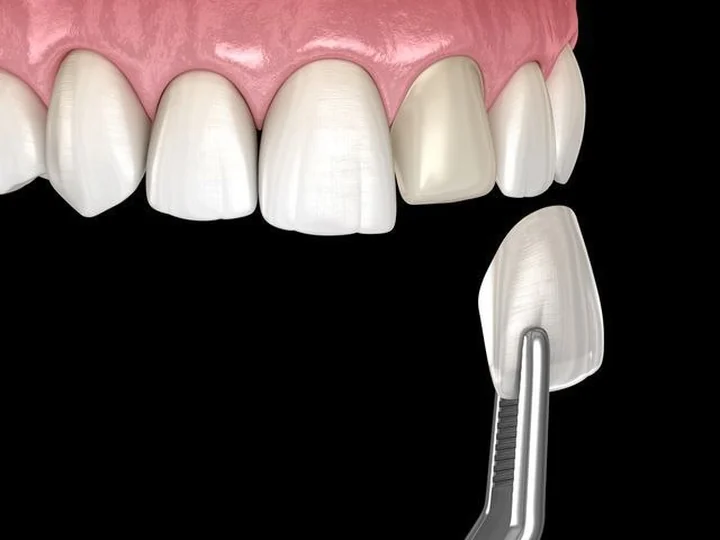
A crown is a cover that fits over a whole tooth. It makes sense when a tooth has cracked, worn flat, broken around an old filling, or had a root canal. In those cases the walls left standing are too thin to hold another filling. The crown wraps the tooth so chewing pressure spreads across it instead of splitting it.
A crown does not fix a tooth that aches on its own or wakes you at night. That usually means the nerve is involved, and the nerve gets treated first. Some teeth are also too far gone to save. You will hear that at the exam, before anything is shaped, and we will talk about removing the tooth and replacing it instead of covering a bad foundation.
What to expect with crowns and bridges
Comfort
Local anesthetic for the shaping visit. The fitting visit is usually comfortable without it, but you can have it if you want it.
Time
Plan on a long first appointment. The shaping, the scan, and the temporary all happen in it. The fitting visit is short by comparison.
After
Cold sensitivity in the shaped tooth is common until the permanent crown is on. Chew on the other side while the temporary is in.
Insurance
Most PPO plans cover part of a crown or bridge, and the share varies. We check your benefits and give you the out-of-pocket number before you agree.
Healthy Smiles Are Possible
Exam and x-ray
An x-ray shows the root and the bone under the tooth. If the nerve is damaged, a root canal comes first. You hear which teeth are involved, and why, before anything starts.
Numb and shape
You get local anesthetic first. Then the tooth is reduced on all sides and the top to make room for the crown. Old filling material and any decay come out at the same time.
Scan and temporary
We scan the shaped tooth and your bite, then match a shade with you and cement the temporary. You leave still numb, so stay on soft food until the anesthetic wears off.
Fit and cement
When the crown comes back from the lab, the temporary comes off and the permanent one goes in. We check the contact and your bite, adjust until it feels level, then cement it.
Bridges for a missing tooth
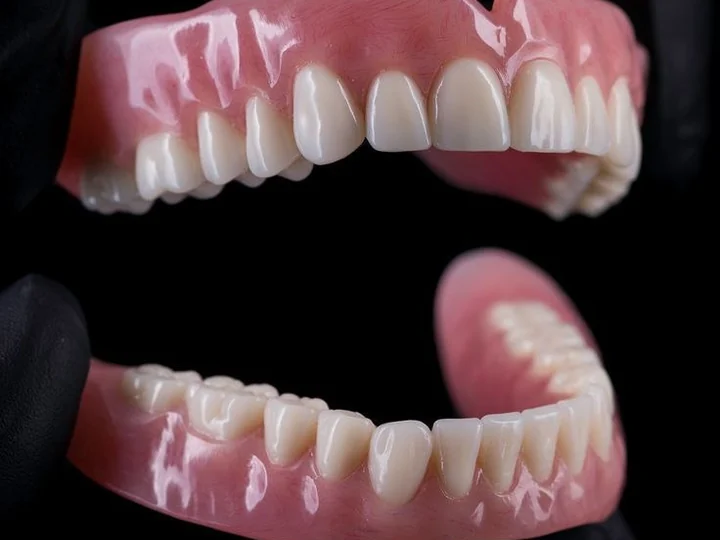
A bridge replaces a missing tooth by anchoring to the teeth on either side. Those two get crowned, and the replacement sits between them as one piece. Nothing comes in and out at night. Cleaning under it takes a floss threader or a small water flosser, and it takes practice before it stops feeling awkward.
An implant is the other way to fill the gap. It leaves the neighboring teeth untouched, but it means surgery and a longer wait. A bridge is faster and involves no surgery, though it commits two healthy teeth to being crowned. Dr. Rotaru and Dr. Lopez go over both, including what your plan pays toward each, before you decide.
How the crown is made
The shaped tooth is scanned, or we take an impression of it, and that record goes to a dental lab. The lab builds the crown in porcelain, or porcelain fused to metal where the bite needs the extra strength, and matches the color to the teeth next to it. A temporary crown covers the tooth while you wait.
The temporary is plastic, and it is cemented lightly on purpose so it comes off cleanly at the next visit. It will feel different in shape, and the color rarely matches exactly. That part is temporary too. Keep gum and anything sticky off that side, since those are what pull a temporary loose.
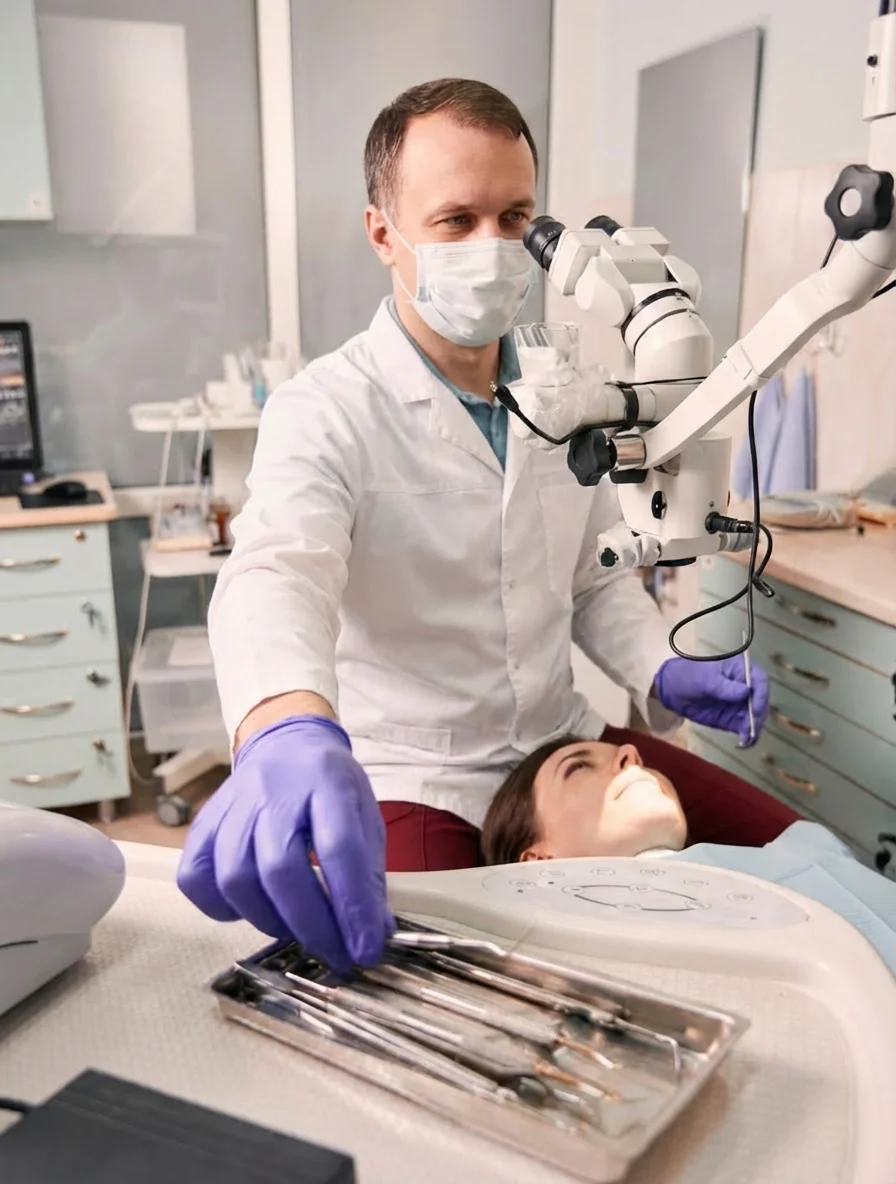
Dr. Ion Rotaru, DMD
Dr. Rotaru holds degrees in biomedical sciences and in dental medicine. He is from Moldova and moved to the United States to practice dentistry. His work is general dentistry, which covers most of what a person needs over a lifetime: checkups and cleanings, fillings, crowns, root canals, and the ordinary repairs in between.
He is fluent in English, Romanian, and Russian, and sees patients in all three languages. His approach starts with the person rather than the chart: what is bothering you, what you have been putting off, what you can manage right now. He would rather spend an extra ten minutes explaining than have you agree to something you do not understand.
- Years of Experience
- 9+Years of Experience
- Happy Patients
- 1,000+Happy Patients
Other Dental Services
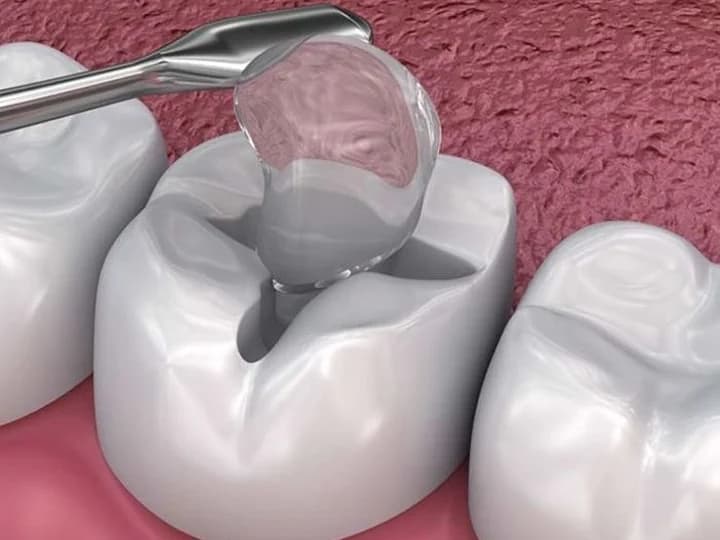
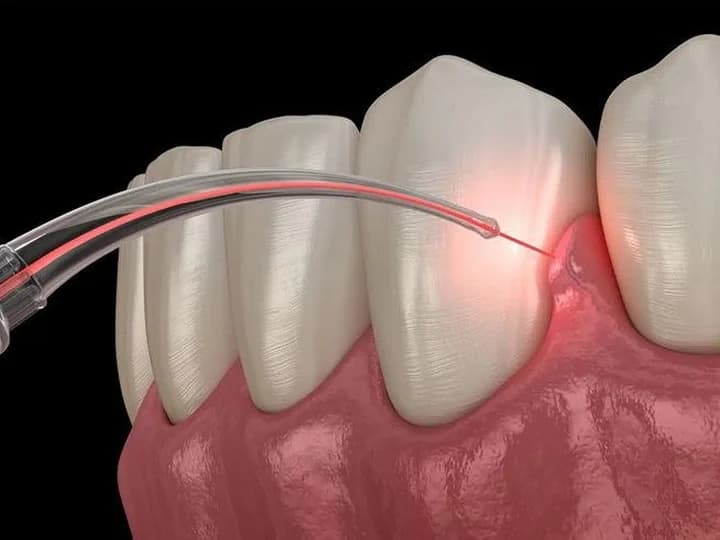
Testimonials
What Patients Are Saying
Real stories from real patients who trusted us with their smiles.

Well, let's be honest. I don't know anyone who actually likes having dental work done. But if you are in need I highly recommend Dr Rotaru. He saw me for the first time after my friend and dentist Angel Lopez retired. And it was under an emergency situation. I had cracked a tooth and was in a lot of pain. He saw me on the same day and explained he would be in and out of the room as he worked me in. He is professional but kind. Understanding, respectful and listens. I am very grateful and have found my new Dentist.
Debi R.
Patient

Dr. Ion Rotaru just performed a root canal. He is compassionate, professional, and caring. He explained the entire process as he went along. That brought peace to me. I love he's my new dentist. Thank you Dr Angel Lopez for taking care of your patients until your very last day! You served the Tampa bay community for very long. May you and Betsy enjoy your retirement.
Josie S.
Patient
Dr. Rotaru was very professional and explained the procedure step by step as he was going along. He was attentive in asking if I had any discomfort as the procedure went along. He explained what I would expect and feel after the procedure. Everything went smooth and painless. Thank you so much.
Miguel P.
Patient
The dentist I had been seeing for 20 years retired. Dr Rotaru and staff were excellent and made the transition feel seamless. What a relief! Highly recommend this practice.
Susan B.
Patient
FAQ
Frequently Asked Questions
The shaping is done under local anesthetic. You feel pressure and vibration, not pain. The injection itself stings for a few seconds, and that is the worst part of the appointment for most people. Tell us the moment anything feels sharp and we add more. The gum is often sore the next day.