

Porcelain Veneers in Tampa
Veneers change the color and shape of the teeth that show when you talk, and they can close small gaps between them. The work is elective. It is also permanent, because enamel has to be removed to make room for the porcelain.
Book an AppointmentWhat are porcelain veneers?
Veneers cover the front of a tooth. They suit teeth that are permanently discolored, worn short at the edges, chipped, or a little crooked, and they can close small spaces. The shade is chosen once and then it stays. Porcelain does not lighten with whitening, so we match it to the rest of your mouth before the lab starts.
Veneers do not treat decay or gum disease, and they will not fix a bite that is grinding your teeth flat. Those get handled first if they apply. Clenching at night is not a reason to rule veneers out, but porcelain chips under it, so a nightguard becomes part of the plan. If your teeth are a poor candidate, you hear that at the consultation, not after.
What to expect with porcelain veneers
Comfort
You are numb for the preparation visit, so you feel pressure and vibration rather than pain. Bonding day is shorter and most people need no anesthetic.
Time
Plan on two to three hours for the preparation visit and about an hour for bonding, with a week or two between them.
After
Cold sensitivity for a few days is normal, and gums can be tender. Temporaries are fragile, so skip corn on the cob and anything sticky.
Insurance
Veneers are cosmetic, so most plans pay nothing toward them. We accept most PPO plans for your other care, and you get the cost in writing beforehand.
Healthy Smiles Are Possible
Consult and records
Photos, x-rays, and a look at your gums and bite, plus a conversation about which teeth bother you and why. Nothing is prepared that day. You leave with a written estimate.
Shade and design
We decide how many teeth to include and what shape and length suit your face and bite. Shade is matched against the teeth that are staying. Usually you see a mock-up first.
Preparation visit
The area is numbed. A thin layer comes off the front of each tooth, then we scan or take an impression. You go home in temporary veneers while the lab works.
Try-in and bonding
A week or two later the temporaries come off and the veneers go in unbonded, so you can look in a mirror first. If you approve, they get bonded and your bite adjusted.
This is elective and permanent
Porcelain needs room, or the tooth ends up looking thick. So a thin layer of enamel comes off the front. That layer does not grow back, and from then on the tooth stays covered. A veneer that chips or wears out gets replaced with another veneer.
None of that is an argument against veneers. It is an argument for taking the first visit seriously. Plenty of people ask about veneers and leave with whitening, or with bonding on the one chipped edge that was actually bothering them, and keep their enamel. We would rather you find that out before the appointment where enamel comes off.
Living with veneers
Porcelain does not decay. The tooth under it still can, and the margin where the veneer meets your gum is where that starts, so brush and floss there the way you would anywhere else. Coffee and red wine will not stain porcelain, though they can darken the natural teeth next to it over the years. We check the margins at your cleanings.
Porcelain handles chewing. What it handles badly is ice, and the corner of a plastic package, and a night of grinding. When a veneer chips in the first year, that is usually why. Wear the nightguard if you were given one, and call us about a chip rather than waiting for the next cleaning.
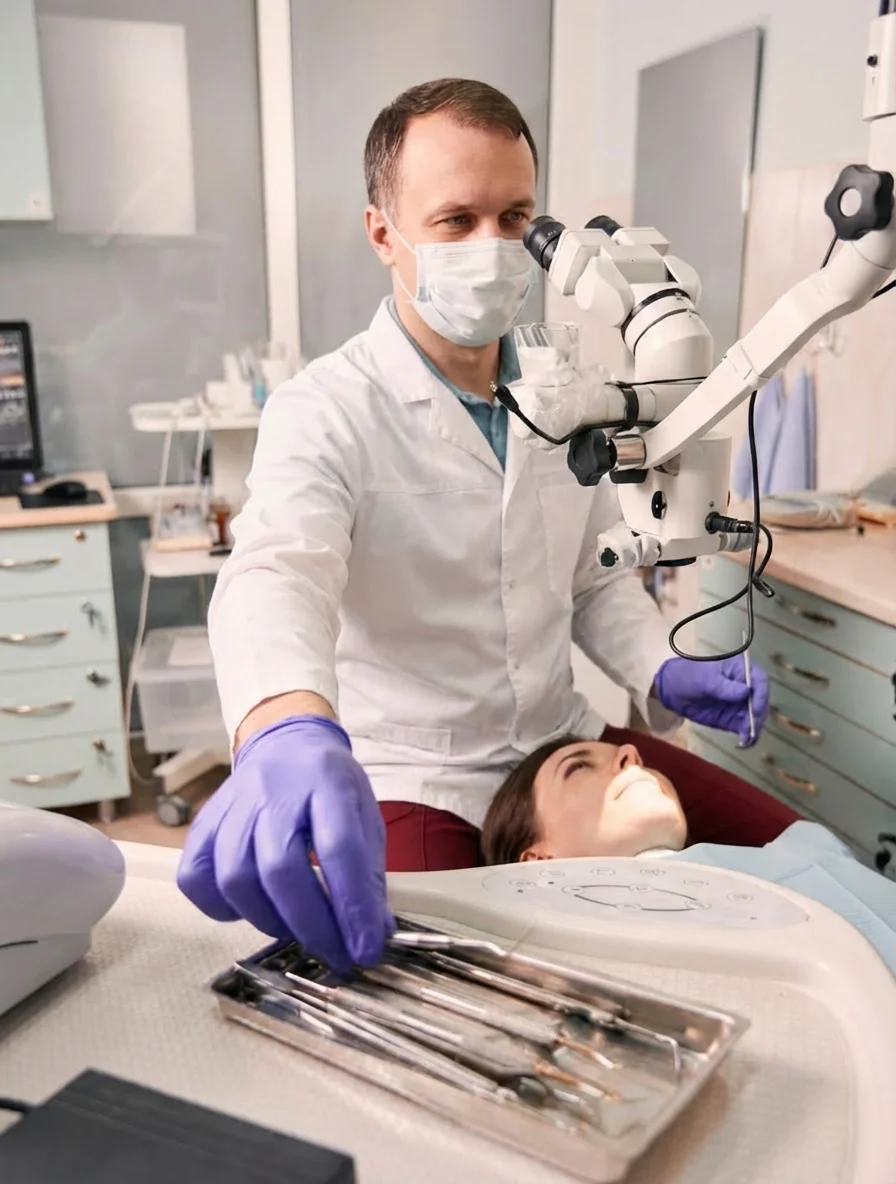
Dr. Ion Rotaru, DMD
Dr. Rotaru holds degrees in biomedical sciences and in dental medicine. He is from Moldova and moved to the United States to practice dentistry. His work is general dentistry, which covers most of what a person needs over a lifetime: checkups and cleanings, fillings, crowns, root canals, and the ordinary repairs in between.
He is fluent in English, Romanian, and Russian, and sees patients in all three languages. His approach starts with the person rather than the chart: what is bothering you, what you have been putting off, what you can manage right now. He would rather spend an extra ten minutes explaining than have you agree to something you do not understand.
- Years of Experience
- 9+Years of Experience
- Happy Patients
- 1,000+Happy Patients
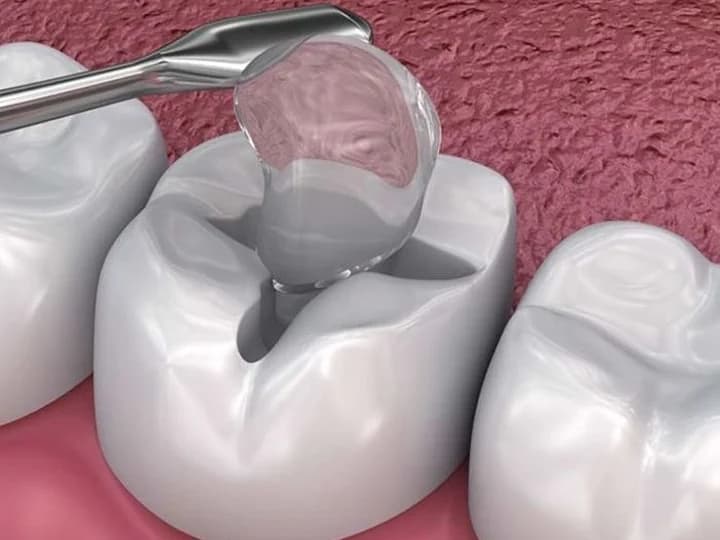
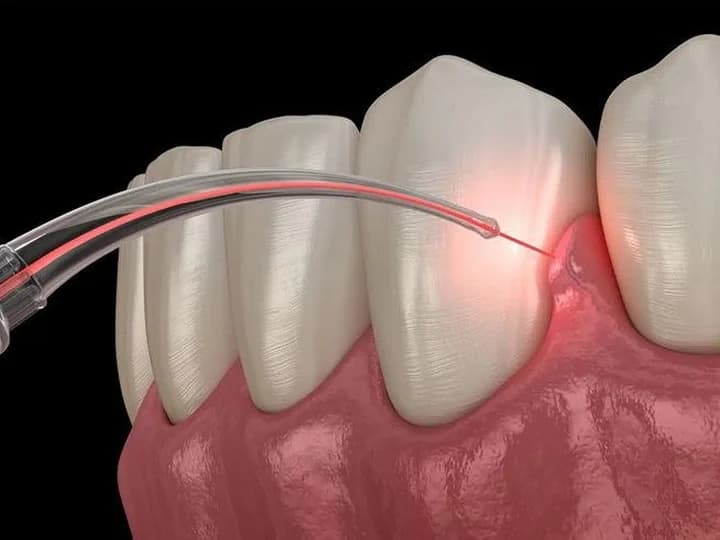
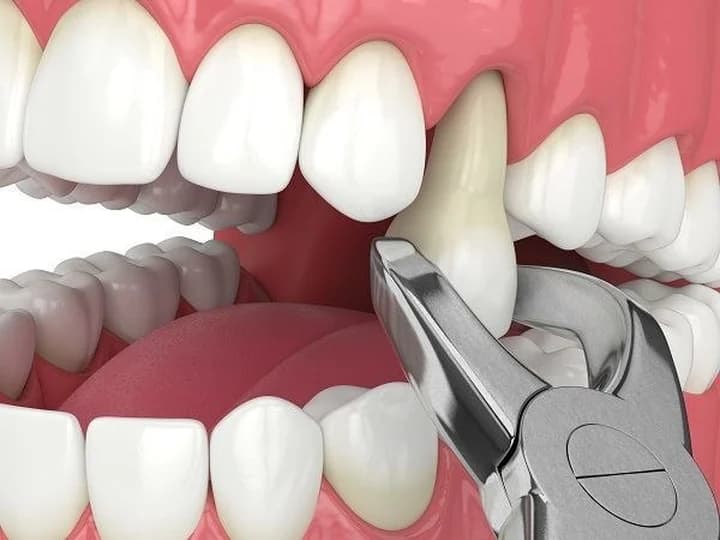
Other Dental Services
Testimonials
What Patients Are Saying
Real stories from real patients who trusted us with their smiles.

Well, let's be honest. I don't know anyone who actually likes having dental work done. But if you are in need I highly recommend Dr Rotaru. He saw me for the first time after my friend and dentist Angel Lopez retired. And it was under an emergency situation. I had cracked a tooth and was in a lot of pain. He saw me on the same day and explained he would be in and out of the room as he worked me in. He is professional but kind. Understanding, respectful and listens. I am very grateful and have found my new Dentist.
Debi R.
Patient

Dr. Ion Rotaru just performed a root canal. He is compassionate, professional, and caring. He explained the entire process as he went along. That brought peace to me. I love he's my new dentist. Thank you Dr Angel Lopez for taking care of your patients until your very last day! You served the Tampa bay community for very long. May you and Betsy enjoy your retirement.
Josie S.
Patient
Dr. Rotaru was very professional and explained the procedure step by step as he was going along. He was attentive in asking if I had any discomfort as the procedure went along. He explained what I would expect and feel after the procedure. Everything went smooth and painless. Thank you so much.
Miguel P.
Patient
The dentist I had been seeing for 20 years retired. Dr Rotaru and staff were excellent and made the transition feel seamless. What a relief! Highly recommend this practice.
Susan B.
Patient
FAQ
Frequently Asked Questions
Not while we work. You are numb for the preparation visit, and what you notice is pressure and the sound of the handpiece. Afterward, cold sensitivity for a few days is common while you are in temporaries. Tell us if anything feels sharp and we stop and add more anesthetic.