

Tooth Extraction
An extraction is usually the end of a toothache, not the start of one. You will be numb before anything begins, and you will know what the appointment involves before you sit back.
Book an AppointmentWhat is a tooth extraction?
Most teeth can be saved. When one cannot, removing it is usually what ends the pain. The usual reasons: decay that has gone past what a filling or crown can hold, a crack running below the gum line, a tooth loosened by advanced gum disease, an infection that keeps coming back, or a wisdom tooth with nowhere to sit.
You will hear plainly whether the tooth can be kept. If a root canal and a crown would leave you with a tooth that chews, that is what we recommend. When a tooth is past saving, treating it delays the same result and costs you more. A few cases are better handled by an oral surgeon, and we say so rather than start something we should not finish.
What to expect with a tooth extraction
Comfort
Local anesthetic numbs the tooth and the bone around it. You stay awake. If you are anxious, say so before we start and we will work slower.
Time
Plan on a short visit for a simple extraction, longer for surgical removal or several wisdom teeth. We give you the time when we schedule.
After
Bite on gauze until the bleeding slows. Soreness is worst the second day, then eases. Soft food and no smoking while the socket closes.
Insurance
We take most PPO plans. Coverage for extractions varies, so we check your plan and give you the cost before we start.
Healthy Smiles Are Possible
X-ray and plan
An X-ray shows the roots, the bone around them, and how close the nerve runs. That decides whether the extraction is simple or surgical, and you hear which before you agree to it.
Numbing
Anesthetic goes into the gum around the tooth, and into the jaw for a lower tooth. We wait for it to take hold, then test the area. Nothing starts until you are numb.
Removing the tooth
The tooth is loosened in its socket, then lifted out. You feel firm pressure and hear sounds rather than pain. A surgical tooth comes out in sections through a small opening in the gum.
Gauze and aftercare
We clean the socket and place a stitch if one is needed. Gauze goes in for you to bite on. You sit for a few minutes while we go through the aftercare.
Simple and surgical
A simple extraction is done on a tooth you can see above the gum. It is loosened in the socket and lifted out. A surgical extraction is for a tooth broken off at the gum line, or one still partly under bone, which is common with lower wisdom teeth. It means a small opening in the gum, and sometimes taking the tooth out in sections.
Sectioning sounds worse than it is. A tooth taken out in pieces comes out with less force, and the bone around it is disturbed less, which usually makes the week after easier. You stay numb either way. The X-ray decides which kind of extraction you are having, and we explain it before you agree to anything.
What comes after the gap
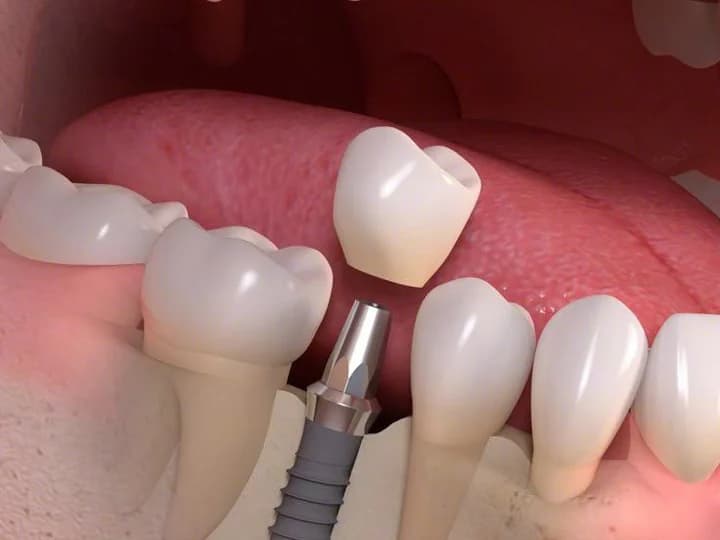
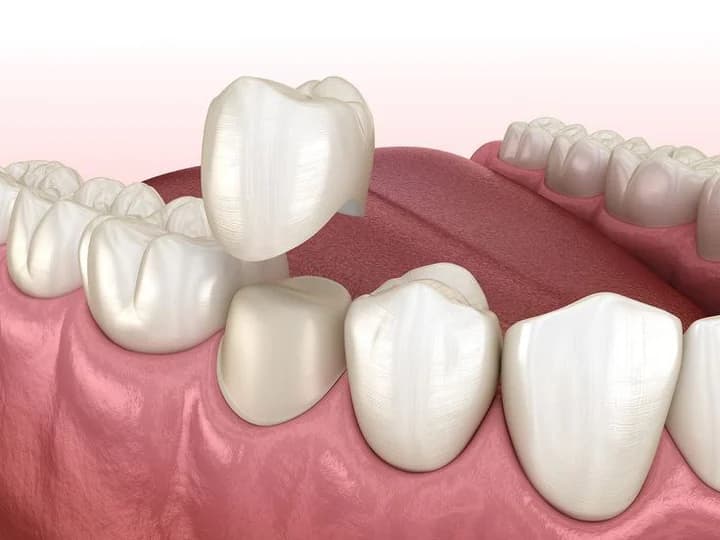
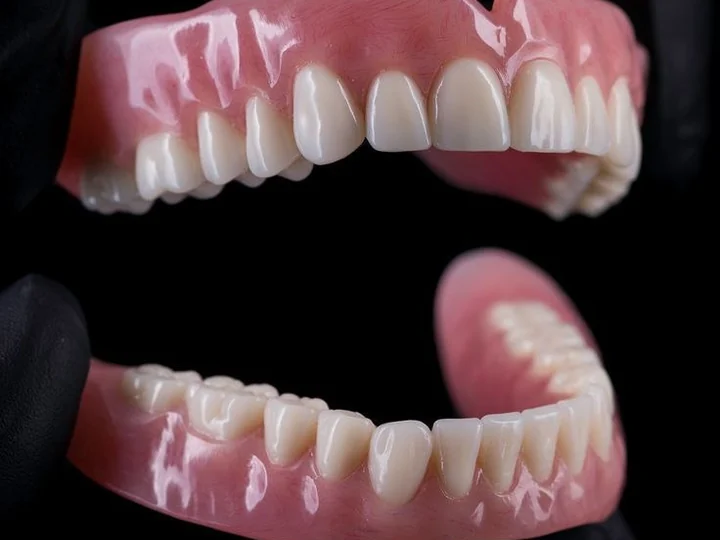
A back tooth does work you notice once it is gone. The teeth beside it drift, the tooth above or below it drops down, and chewing moves to the other side. A front tooth is a different problem, and most people want it replaced quickly. We go through the options, an implant, a bridge, or a partial denture, before the tooth comes out rather than after.
Wisdom teeth are the exception. They sit at the back of the arch, and they are not replaced. If an implant is likely later on, say so before the day of the extraction. We can often place graft material in the socket while it is open, which helps the bone hold its shape and makes the implant simpler when you are ready.
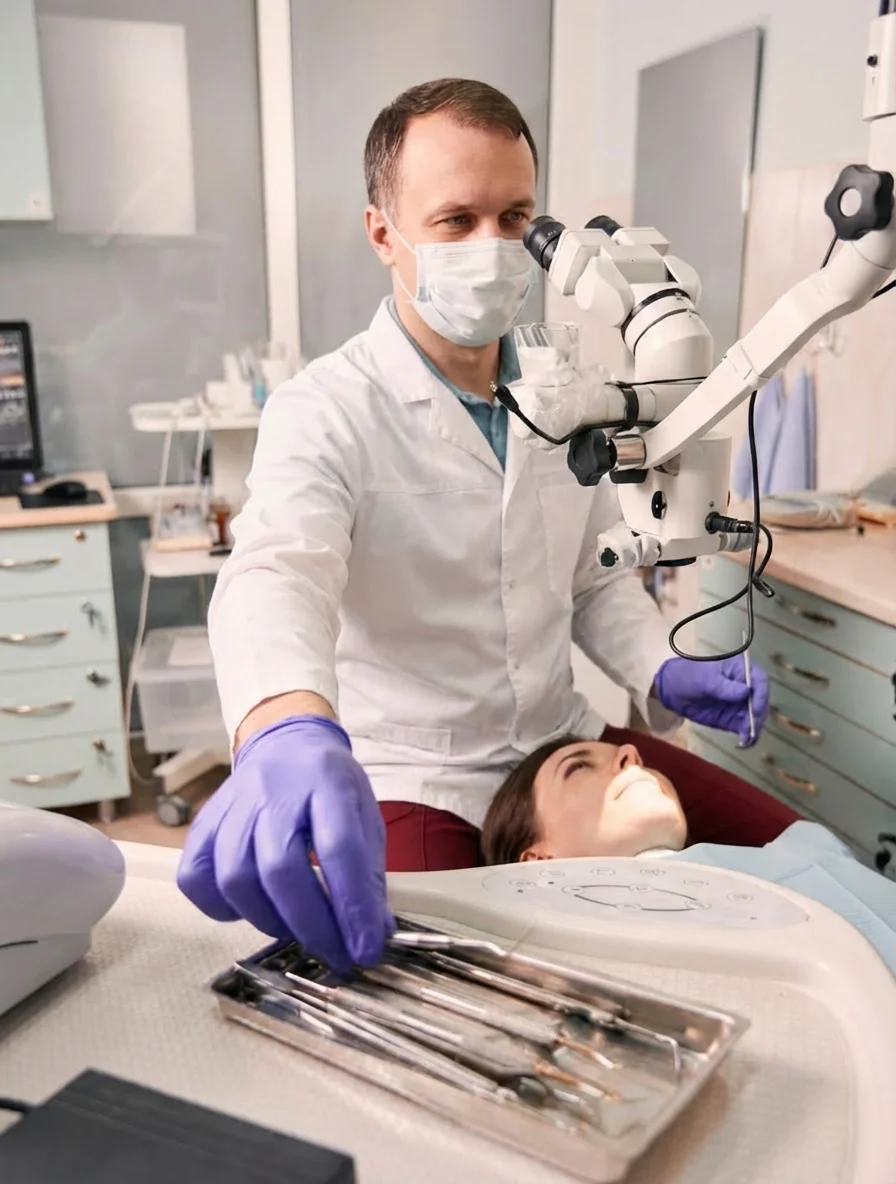
Dr. Ion Rotaru, DMD
Dr. Rotaru holds degrees in biomedical sciences and in dental medicine. He is from Moldova and moved to the United States to practice dentistry. His work is general dentistry, which covers most of what a person needs over a lifetime: checkups and cleanings, fillings, crowns, root canals, and the ordinary repairs in between.
He is fluent in English, Romanian, and Russian, and sees patients in all three languages. His approach starts with the person rather than the chart: what is bothering you, what you have been putting off, what you can manage right now. He would rather spend an extra ten minutes explaining than have you agree to something you do not understand.
- Years of Experience
- 9+Years of Experience
- Happy Patients
- 1,000+Happy Patients
Other Dental Services
Testimonials
What Patients Are Saying
Real stories from real patients who trusted us with their smiles.

Well, let's be honest. I don't know anyone who actually likes having dental work done. But if you are in need I highly recommend Dr Rotaru. He saw me for the first time after my friend and dentist Angel Lopez retired. And it was under an emergency situation. I had cracked a tooth and was in a lot of pain. He saw me on the same day and explained he would be in and out of the room as he worked me in. He is professional but kind. Understanding, respectful and listens. I am very grateful and have found my new Dentist.
Debi R.
Patient

Dr. Ion Rotaru just performed a root canal. He is compassionate, professional, and caring. He explained the entire process as he went along. That brought peace to me. I love he's my new dentist. Thank you Dr Angel Lopez for taking care of your patients until your very last day! You served the Tampa bay community for very long. May you and Betsy enjoy your retirement.
Josie S.
Patient
Dr. Rotaru was very professional and explained the procedure step by step as he was going along. He was attentive in asking if I had any discomfort as the procedure went along. He explained what I would expect and feel after the procedure. Everything went smooth and painless. Thank you so much.
Miguel P.
Patient
The dentist I had been seeing for 20 years retired. Dr Rotaru and staff were excellent and made the transition feel seamless. What a relief! Highly recommend this practice.
Susan B.
Patient
FAQ
Frequently Asked Questions
The numbing shot stings for a few seconds. After that you feel pressure and hear sounds, but not pain. If anything turns sharp, raise your hand and we stop and add more anesthetic. Soreness starts later that day, once the numbness wears off, so take something for it before it sets in.