

Preventative Dentistry
A checkup is the shortest appointment we do. Nothing is drilled, nothing is numbed, and most people are out in about an hour. It is also where we find the problems that have not started hurting yet.
Book an AppointmentWhat is preventative dentistry?
Most of what we find at a checkup is small. A shadow between two teeth on an x-ray. A gum that bleeds where it should not. A hairline gap at the edge of an old filling. None of it hurts yet. Some will hold for years and some will not, so we write it down, show you the image, and look at the same spot next time. A small filling costs less than the crown it turns into.
The exam also covers soft tissue. Your tongue, the floor of your mouth, the inside of your cheeks, the palate, and the sides of your neck get looked at and felt. This is the oral cancer screening, and it adds under a minute. We repeat it at every visit because the useful information is what has changed since the last one.
What to expect with preventative dentistry
Comfort
No shot for a routine cleaning. Sensitive roots or sore gums are common, and numbing gel handles most of it.
Time
About an hour for a checkup and cleaning. A first visit runs longer because of x-rays and charting that has to be built from scratch.
After
Eat and drink as usual. If tartar was heavy, the gums can be tender for a day. After fluoride, brush again when the hygienist tells you.
Insurance
We take most PPO plans. Exams and cleanings are usually covered; sealants and adult fluoride often are not. Your benefits get checked before the visit.
Healthy Smiles Are Possible
Health update
Your medical history and medications come first, then what has changed since the last visit. Say if a spot is sore, if the gums bleed when you floss, or if food keeps getting stuck.
X-rays
A small sensor goes in your mouth and you bite for a second or two per image. Tell the assistant if you gag easily; the angle can be changed and the set is quick.
The cleaning
The hygienist scrapes tartar off each tooth, above the gum line and just below it. You hear scraping and the suction. Polishing and floss come last, then you rinse.
Exam and plan
The dentist goes tooth by tooth, checks the old fillings, and measures the gum pockets. Then you hear it in plain terms, starting with anything that needs treating now and what can safely wait.
X-rays and how often you need them
An x-ray shows the parts of a tooth the eye cannot reach: where two teeth touch, under an old filling, and in the bone below the gum line. Bitewings are the small ones you bite down on. The larger set that shows the whole root gets taken far less often. If another office took films recently, we would rather request those than repeat them.
How often depends on your own history. Go a long stretch without decay and you need fewer. If cavities keep appearing, more frequent bitewings are how the next one gets caught while it is still small. The sensors are digital, the dose is low, and the apron stays on.
Children, sealants, and fluoride
Bring your child in early, around the time the first teeth come in. The visit is short. Mostly it is about the room being ordinary to them: the chair going up and down, the light, the mirror they get to hold. A child who is not afraid of the place is far easier to treat on the day something actually needs doing. Dr. Rotaru speaks Romanian and Russian, which helps if that is the language at home.
Sealants are a thin coating painted into the deep grooves of the back teeth, where bristles do not reach. The tooth is cleaned and dried, the coating goes on, and a light sets it. No drill, no needle, a couple of minutes a tooth. Fluoride varnish goes on at the end of a cleaning and hardens right away. Kids get both most often, but so do adults who keep getting cavities or take medication that dries the mouth.
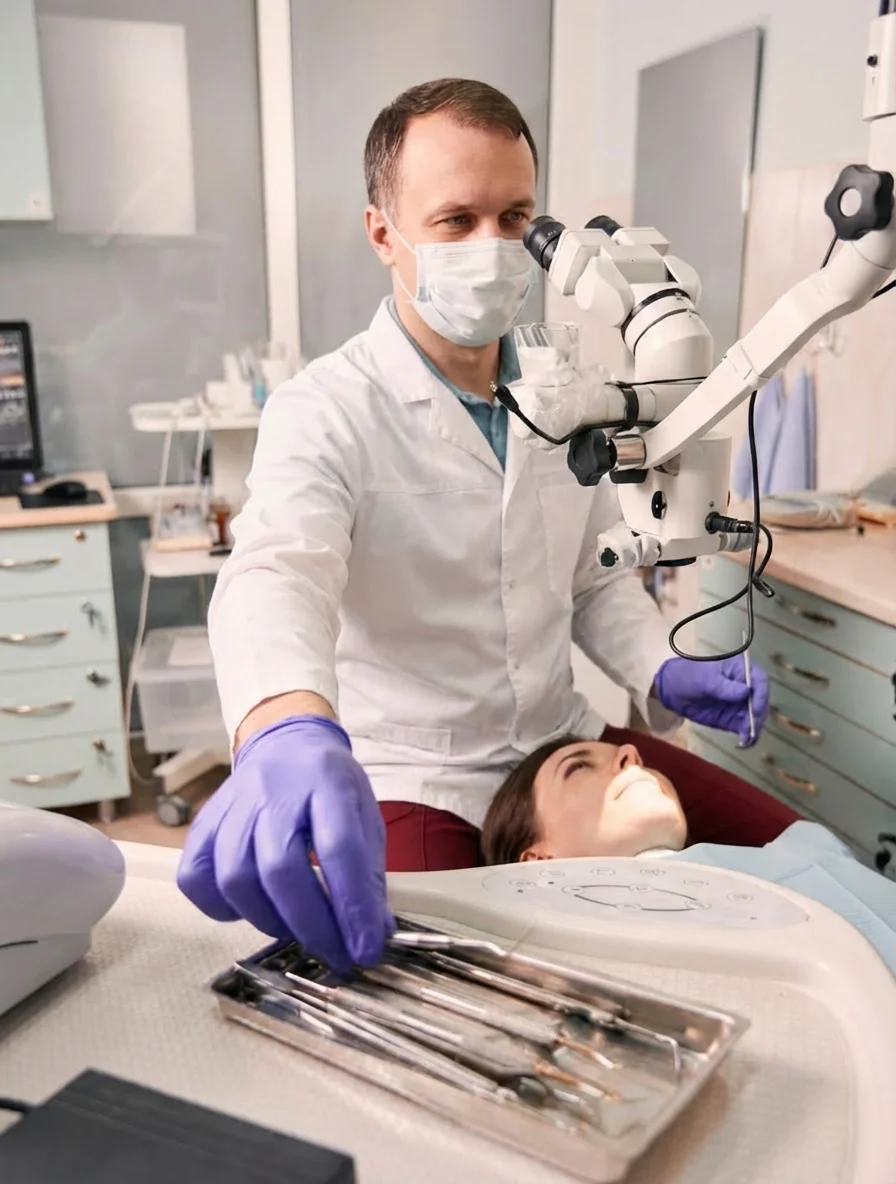
Dr. Ion Rotaru, DMD
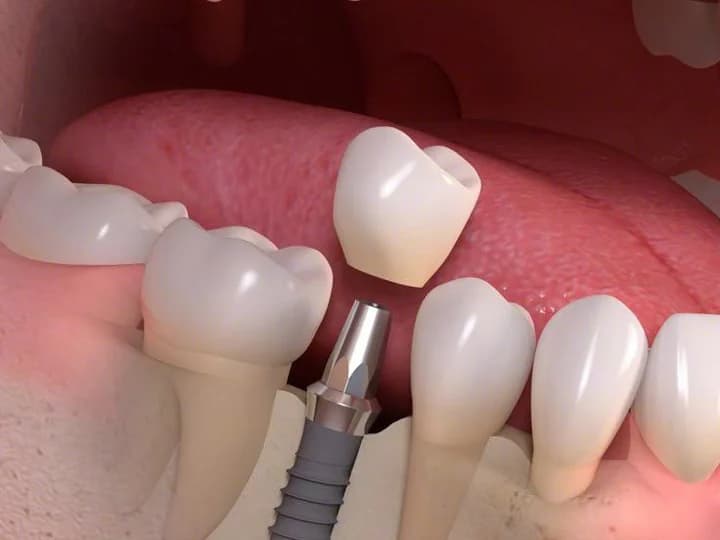
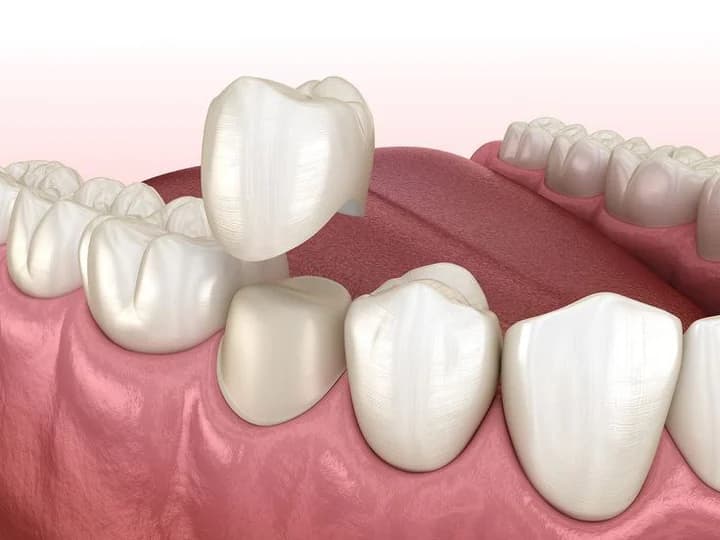
Dr. Rotaru holds degrees in biomedical sciences and in dental medicine. He is from Moldova and moved to the United States to practice dentistry. His work is general dentistry, which covers most of what a person needs over a lifetime: checkups and cleanings, fillings, crowns, root canals, and the ordinary repairs in between.
He is fluent in English, Romanian, and Russian, and sees patients in all three languages. His approach starts with the person rather than the chart: what is bothering you, what you have been putting off, what you can manage right now. He would rather spend an extra ten minutes explaining than have you agree to something you do not understand.
- Years of Experience
- 9+Years of Experience
- Happy Patients
- 1,000+Happy Patients
Other Dental Services
Testimonials
What Patients Are Saying
Real stories from real patients who trusted us with their smiles.

Well, let's be honest. I don't know anyone who actually likes having dental work done. But if you are in need I highly recommend Dr Rotaru. He saw me for the first time after my friend and dentist Angel Lopez retired. And it was under an emergency situation. I had cracked a tooth and was in a lot of pain. He saw me on the same day and explained he would be in and out of the room as he worked me in. He is professional but kind. Understanding, respectful and listens. I am very grateful and have found my new Dentist.
Debi R.
Patient

Dr. Ion Rotaru just performed a root canal. He is compassionate, professional, and caring. He explained the entire process as he went along. That brought peace to me. I love he's my new dentist. Thank you Dr Angel Lopez for taking care of your patients until your very last day! You served the Tampa bay community for very long. May you and Betsy enjoy your retirement.
Josie S.
Patient
Dr. Rotaru was very professional and explained the procedure step by step as he was going along. He was attentive in asking if I had any discomfort as the procedure went along. He explained what I would expect and feel after the procedure. Everything went smooth and painless. Thank you so much.
Miguel P.
Patient
The dentist I had been seeing for 20 years retired. Dr Rotaru and staff were excellent and made the transition feel seamless. What a relief! Highly recommend this practice.
Susan B.
Patient
FAQ
Frequently Asked Questions
Mostly it is pressure and noise. Where gums are inflamed or roots are exposed, scaling can sting, and the more tartar there is the more you feel it. Say so and the hygienist can stop, work in smaller sections, or put numbing gel along the gum. Sensitivity usually eases once the gums settle down.