

Root Canal Treatment
A root canal treats an infection inside a tooth so the tooth does not have to come out. The appointment is long, and the tooth is numb for all of it.
Book an AppointmentWhat is a root canal?
The pain people associate with root canals is usually the infection, not the treatment. The tooth is numb before anything begins, and we confirm it is numb by testing it rather than asking you to guess. An infected tooth can be harder to numb than a healthy one, so tell us if you feel anything sharp and we will add more anesthetic.
Mostly you notice pressure and vibration, and the fact that your mouth has been open a long time. If a past appointment went badly, say so when you book. We can go over the whole thing before we start and set a hand signal that stops the work whenever you raise it. Dr. Rotaru can talk it through in Romanian or Russian if that is easier.
What to expect with a root canal
Numbing
Local anesthetic numbs the tooth. We test it before we start, and an infected tooth sometimes needs a second dose to go fully numb.
Time
Block out a long appointment. Molars have more canals than front teeth and take longer, and some teeth need a second visit to finish.
Soreness after
The tooth can feel tender to bite on for a few days. Over-the-counter pain relief usually covers it. Call us if the pain climbs instead of fading.
Insurance
We take most PPO plans. Coverage for the root canal and the crown is often different, and the crown is billed separately. Ask us to check both.
Healthy Smiles Are Possible
X-ray and testing
We take an X-ray and test the tooth with cold and light tapping. That tells us whether the pulp is the problem and how the roots are shaped.
Numbing and isolation
You get local anesthetic and we wait until the tooth is fully numb. A thin rubber sheet goes around it so the area stays clean and dry.
Cleaning the canals
We open the top of the tooth, remove the infected pulp, then clean and shape the narrow canals inside each root, rinsing as we go. This part takes the longest.
Filling and sealing
The dried canals are filled with a rubber-like material and sealed. A filling closes the opening, and we schedule the crown once the tooth is comfortable.
When a tooth needs one
The soft tissue at the center of a tooth can become infected after deep decay, a crack, or an injury from years back. Signs include pain that lingers after something hot or cold, pain on biting, swelling on the gum near the tooth, or a tooth that has gone dark.
Some infected teeth stop hurting on their own, which does not mean the infection cleared. An X-ray and a couple of simple tests tell us what is happening inside. If the tooth cannot be saved, we will say that plainly instead of treating it anyway.
The crown that comes after
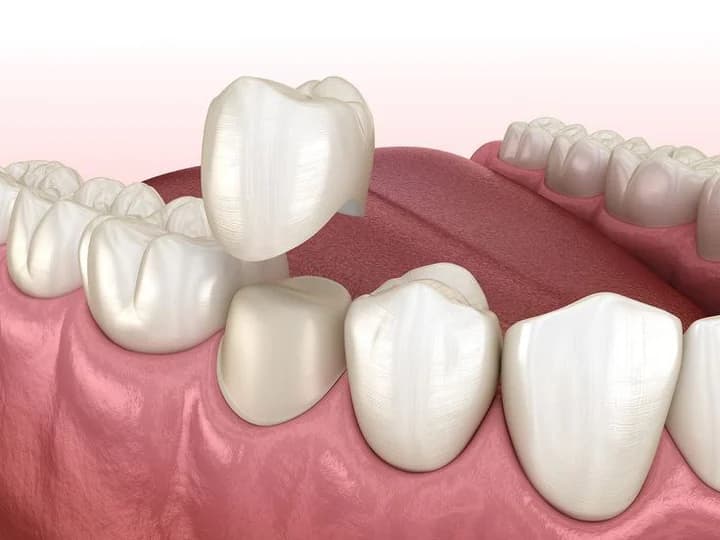
A treated tooth has no living tissue inside it and gets more brittle with time. Reaching the canals also means removing some of the tooth. Back teeth take the heaviest load when you chew, so they almost always need a crown to keep them from splitting. Front teeth sometimes need only a filling. The crown is a separate appointment, once the tooth has settled.
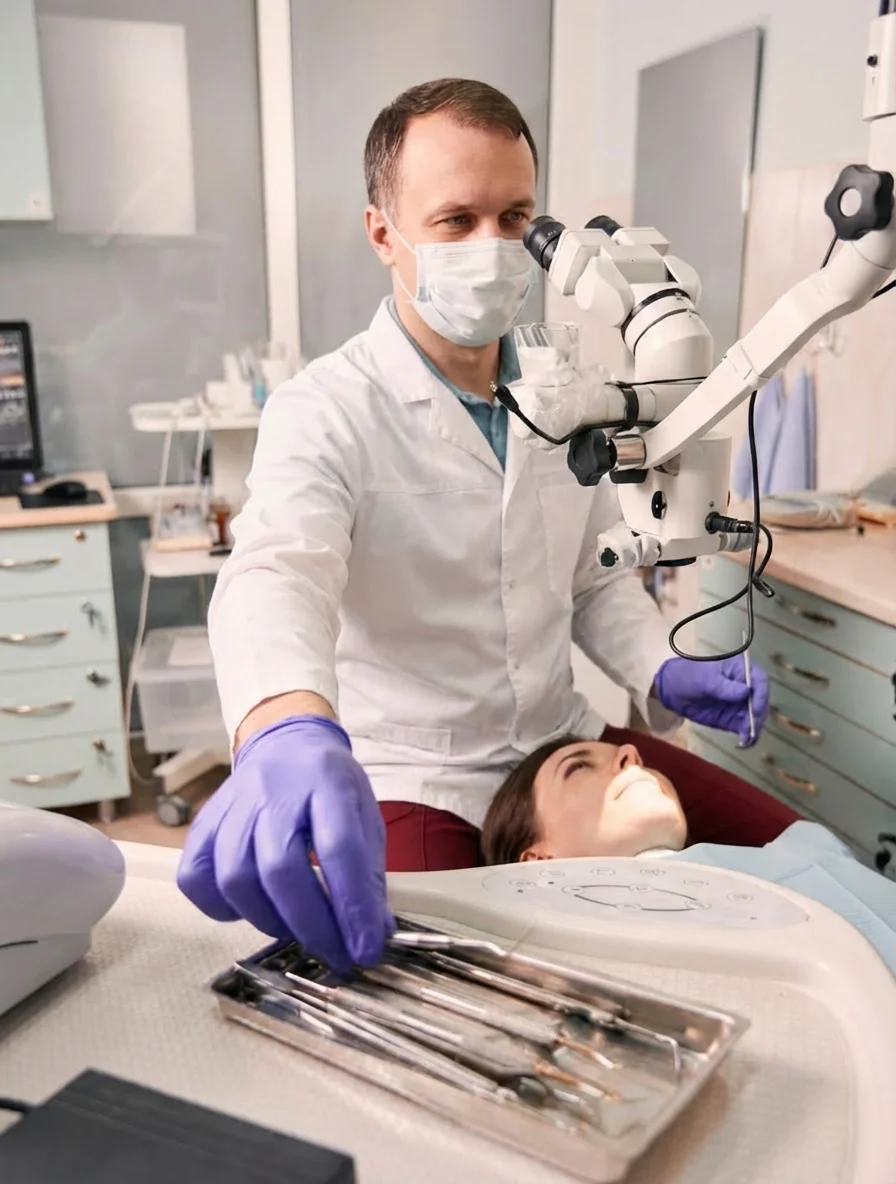
Dr. Ion Rotaru, DMD
Dr. Rotaru holds degrees in biomedical sciences and in dental medicine. He is from Moldova and moved to the United States to practice dentistry. His work is general dentistry, which covers most of what a person needs over a lifetime: checkups and cleanings, fillings, crowns, root canals, and the ordinary repairs in between.
He is fluent in English, Romanian, and Russian, and sees patients in all three languages. His approach starts with the person rather than the chart: what is bothering you, what you have been putting off, what you can manage right now. He would rather spend an extra ten minutes explaining than have you agree to something you do not understand.
- Years of Experience
- 9+Years of Experience
- Happy Patients
- 1,000+Happy Patients
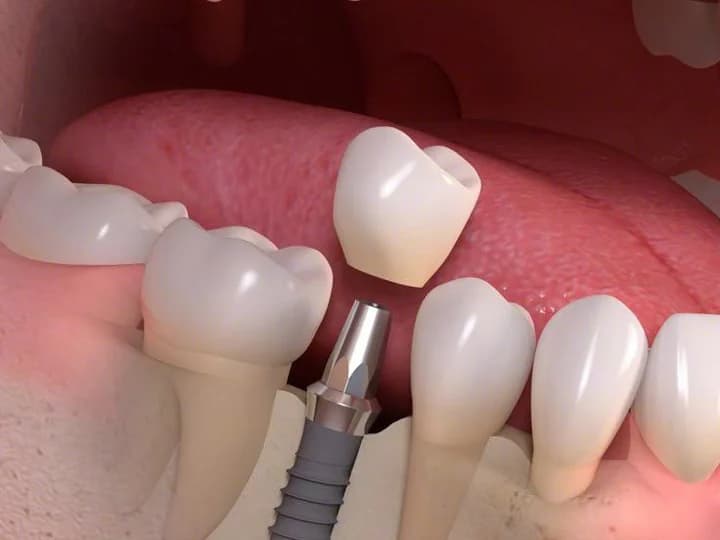
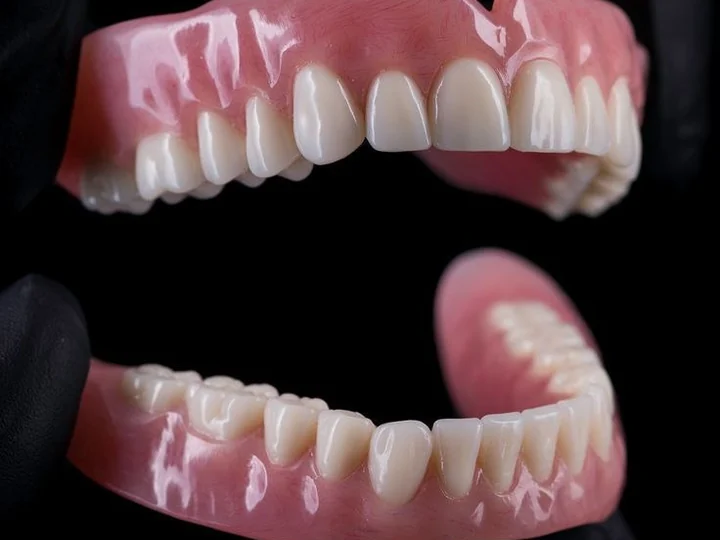
Other Dental Services
Testimonials
What Patients Are Saying
Real stories from real patients who trusted us with their smiles.

Well, let's be honest. I don't know anyone who actually likes having dental work done. But if you are in need I highly recommend Dr Rotaru. He saw me for the first time after my friend and dentist Angel Lopez retired. And it was under an emergency situation. I had cracked a tooth and was in a lot of pain. He saw me on the same day and explained he would be in and out of the room as he worked me in. He is professional but kind. Understanding, respectful and listens. I am very grateful and have found my new Dentist.
Debi R.
Patient

Dr. Ion Rotaru just performed a root canal. He is compassionate, professional, and caring. He explained the entire process as he went along. That brought peace to me. I love he's my new dentist. Thank you Dr Angel Lopez for taking care of your patients until your very last day! You served the Tampa bay community for very long. May you and Betsy enjoy your retirement.
Josie S.
Patient
Dr. Rotaru was very professional and explained the procedure step by step as he was going along. He was attentive in asking if I had any discomfort as the procedure went along. He explained what I would expect and feel after the procedure. Everything went smooth and painless. Thank you so much.
Miguel P.
Patient
The dentist I had been seeing for 20 years retired. Dr Rotaru and staff were excellent and made the transition feel seamless. What a relief! Highly recommend this practice.
Susan B.
Patient
FAQ
Frequently Asked Questions
The tooth is numb for the whole appointment, so what you feel is pressure and vibration, not pain. The ache that brings people in comes from the infection, and clearing it is what stops that. Say something the moment anything turns sharp, and we will add more anesthetic. Soreness for a few days after is normal.